Layering Tactical Gear: The Secret to Staying Comfortable in Any Climate
When conditions change without warning, the difference between staying comfortable and struggling through the day often comes down to one thing: layering.
Whether you’re operating in cold rain, dry heat, high winds, or unpredictable terrain, relying on a single piece of outerwear simply isn’t enough. The most effective tactical gear systems are built around smart layering, allowing you to adapt quickly without sacrificing mobility, protection, or comfort.
At Keela Tactical, we’ve spent years developing tactical clothing designed for real-world environments where weather, terrain, and workload can change fast. One lesson remains constant across every environment: the right tactical jacket performs best as part of a complete layering system.
In this guide, we’ll break down how layering works, why it matters, and how to build a reliable tactical gear setup for year-round performance.

Why Layering Matters in Tactical Environments?
No climate stays predictable for long. Temperatures fluctuate, activity levels change, and exposure to rain or wind can dramatically affect how your body performs.
The problem with wearing one heavy military jacket or bulky outer layer is simple: it traps heat when you’re moving and often fails to regulate temperature when conditions shift.
Layering solves that problem.
Instead of relying on one oversized piece of tactical clothing, a layering system allows you to:
- Retain warmth when needed
- Release excess heat during movement
- Stay dry in wet environments
- Adapt quickly to changing weather
More importantly, it keeps your body functioning efficiently over long periods.
Good tactical gear doesn’t just protect you from the elements; it helps maintain comfort, endurance, and focus.
The Three-Layer System Explained
A proper tactical layering system is usually built around three core layers:
- Base Layer
- Mid Layer
- Outer Layer (Your Tactical Jacket)
Each layer serves a specific purpose, and together they create a complete climate management system.
Base Layer: Moisture Management Starts Here
The base layer sits closest to your skin, making it one of the most important components of tactical clothing.
Its primary job is moisture management.
When you’re active, your body generates sweat, even in cold conditions. If that moisture stays trapped against your skin, it quickly leads to discomfort and heat loss.
A high-quality base layer should:
- Wick moisture away from the skin
- Dry quickly
- Regulate body temperature
- Remain lightweight and breathable
Many people underestimate this layer and focus entirely on the tactical jacket itself. But without an effective base layer, even premium tactical gear can feel uncomfortable after extended use.
In colder climates, moisture becomes even more dangerous. Damp clothing can rapidly reduce body heat and increase fatigue.
Mid Layer: Insulation Without Bulk
The mid layer is responsible for retaining heat while allowing airflow. This is where insulation matters most.
A good mid-layer piece should provide warmth without restricting movement or adding unnecessary weight. In tactical environments, bulky clothing limits mobility and creates fatigue over time.
Effective mid layers typically include:
- Lightweight fleece systems
- Softshell insulation
- Compressible thermal materials
The key is flexibility.
In milder weather, your mid-layer may be all you need. In colder or wetter environments, it works together with your military jacket or tactical jacket to create a complete weather barrier.
The ability to add or remove insulation depending on activity level is what makes layering so effective.
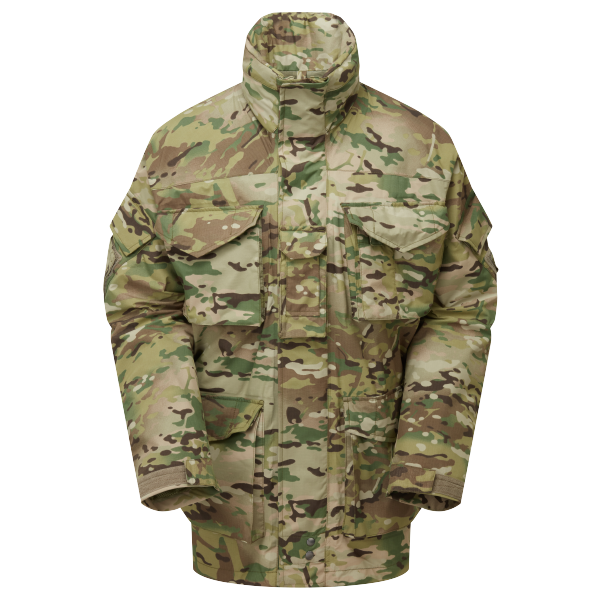
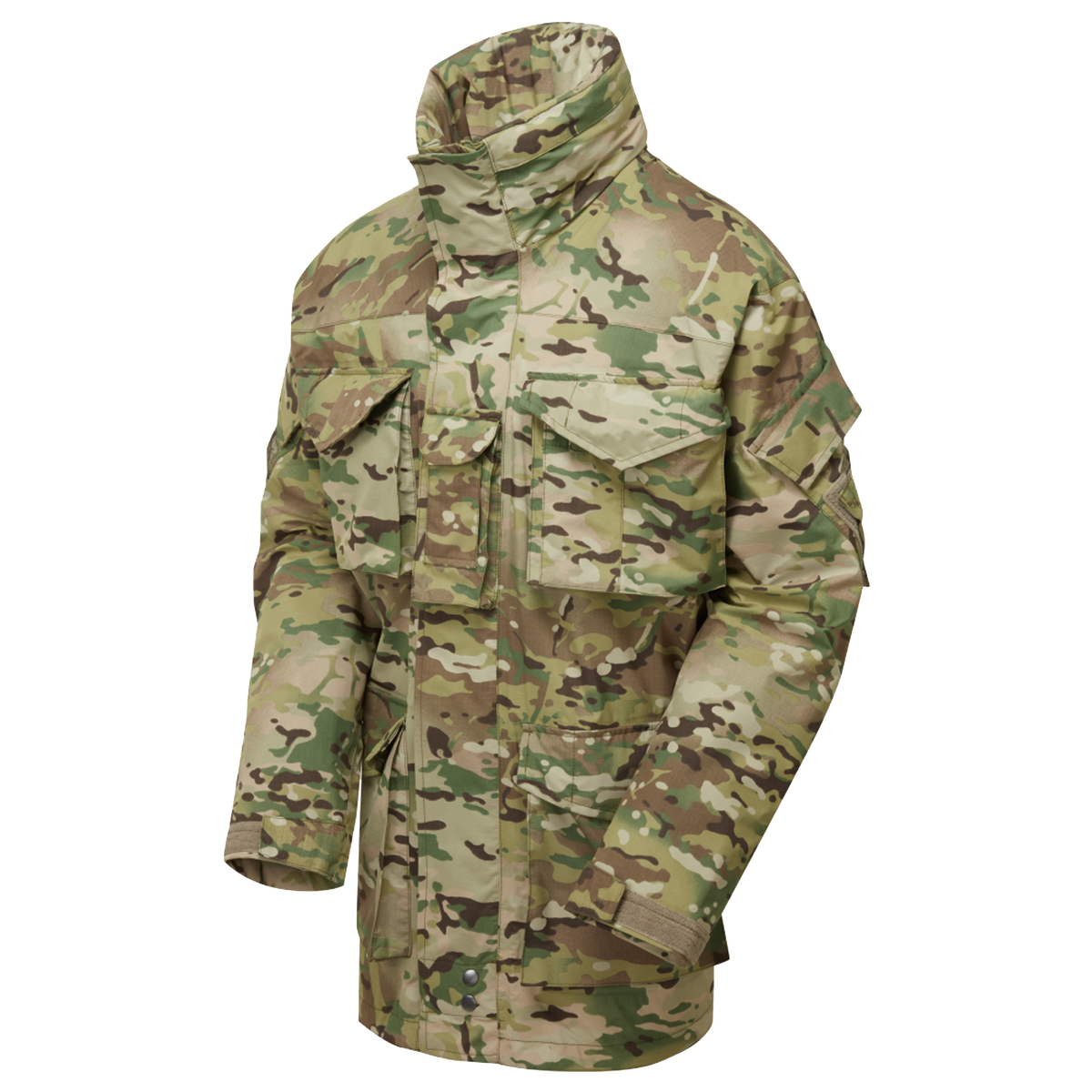
Outer Layer: Your Tactical Jacket
Your tactical jacket is the final protective barrier between you and the environment. This outer shell protects against:
- Rain
- Wind
- Snow
- Abrasion
- Harsh terrain conditions
But modern tactical jackets do much more than simply block the weather. The best outer layers in 2026 are designed to:
- Remain breathable during movement
- Integrate seamlessly with underlayers
- Provide unrestricted mobility
- Offer durable protection without excessive weight
A tactical jacket should never feel stiff or cumbersome. It needs to work as part of a complete tactical gear system.
At Keela Tactical, our outerwear is designed with operational performance in mind, allowing users to adapt to changing conditions without compromising comfort or movement.

Layering for Different Climates
One of the biggest advantages of tactical layering is versatility. Here’s how a tactical clothing system adapts across different environments:
Cold & Wet Conditions
In freezing rain or snow:
- Moisture-wicking base layer
- Insulated mid-layer
- Waterproof tactical jacket
This combination traps warmth while preventing external moisture from penetrating the system.
Mild & Variable Conditions
For unpredictable temperatures:
- Lightweight base layer
- Breathable softshell
- Packable outer layer
This setup allows quick adjustments throughout the day.
High-Activity Environments
When movement levels are high:
- Lightweight moisture-wicking base layer
- Minimal insulation
- Breathable tactical jacket with ventilation
Overheating can reduce performance just as quickly as cold exposure.
Why Breathability Is Just as Important as Waterproofing?
One of the biggest mistakes people make when choosing tactical gear is focusing only on waterproofing.
A completely sealed military jacket may block rain, but if it traps sweat and heat inside, comfort disappears quickly. That’s why breathability matters.
Modern tactical clothing must balance:
- Weather protection
- Airflow
- Heat regulation
- Moisture control
Without proper ventilation, even the most expensive tactical jacket becomes uncomfortable during prolonged use.
The best tactical gear systems are designed to regulate both external and internal conditions.
Mobility: The Often-Ignored Factor
Layering should improve performance, not restrict it.
Poorly designed tactical clothing can feel bulky and restrictive when multiple layers are worn together. This limits mobility and reduces efficiency in demanding environments.
A well-designed layering system should allow:
- Full range of movement
- Easy adjustments on the move
- Comfortable wear over long durations
Your tactical jacket should work with your layers, not fight against them.
Building a Smarter Tactical Gear Setup
The most effective tactical gear setups aren’t built around a single product; they’re built around adaptability.
When choosing your system, focus on:
- Breathability
- Lightweight insulation
- Weather resistance
- Layer compatibility
- Mobility and comfort
The goal isn’t simply staying warm or dry. It’s maintaining consistent performance regardless of conditions.
That’s where proper layering makes the difference.

Final Thoughts
Weather changes. Conditions shift. Activity levels rise and fall.
The ability to adapt quickly is what separates average tactical clothing from gear that truly performs under pressure.
A quality tactical jacket is essential, but when combined with the right layering system, it becomes far more effective. From moisture control to insulation and weather protection, every layer plays a role in helping you stay comfortable and operational in any climate.
At Keela Tactical, we design tactical gear with this philosophy at the core, equipment built to adapt, perform, and endure in demanding environments.
Upgrade Your Tactical Gear System
Looking to build a smarter layering setup for all-weather performance?
Explore the latest range of tactical jackets, military jackets, and tactical clothing at Keela Tactical. Our gear is engineered for comfort, durability, and protection in real-world conditions.
Discover tactical gear designed to perform in every climate.